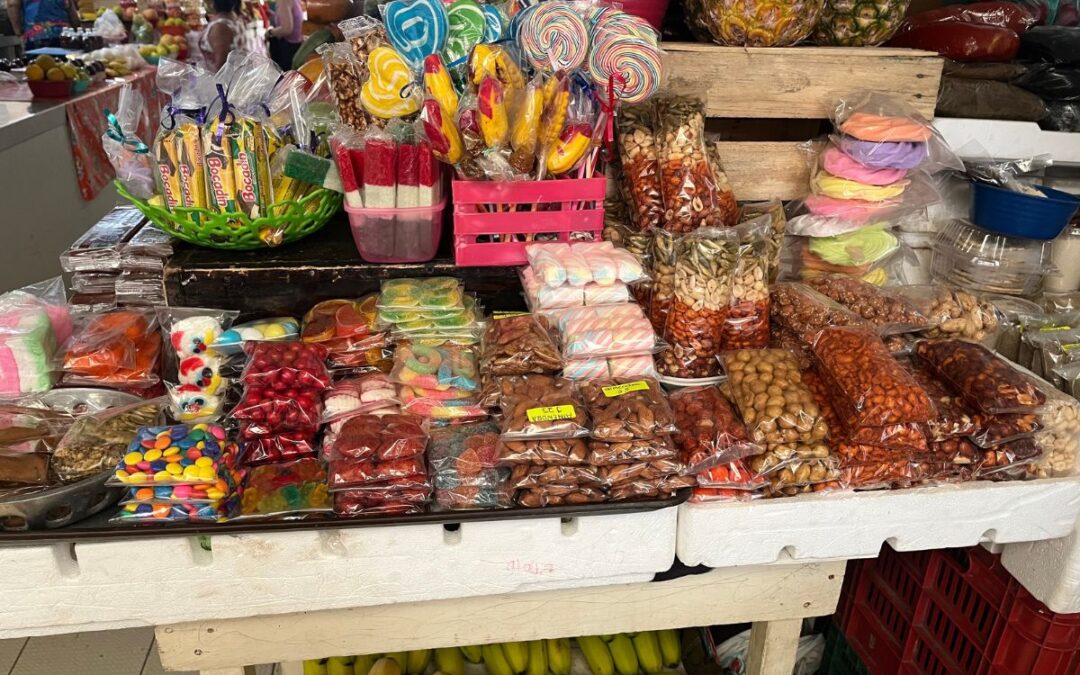
In bustling cities across India and Mexico, as examples of emerging economies, food choices are shifting rapidly. These urban environments have become breeding grounds for new food trends, often driven by the intersection of tradition, global influences, and the digital age. But these shifts aren’t just about what people eat —they’re about social status, modernity, and cultural aspirations.
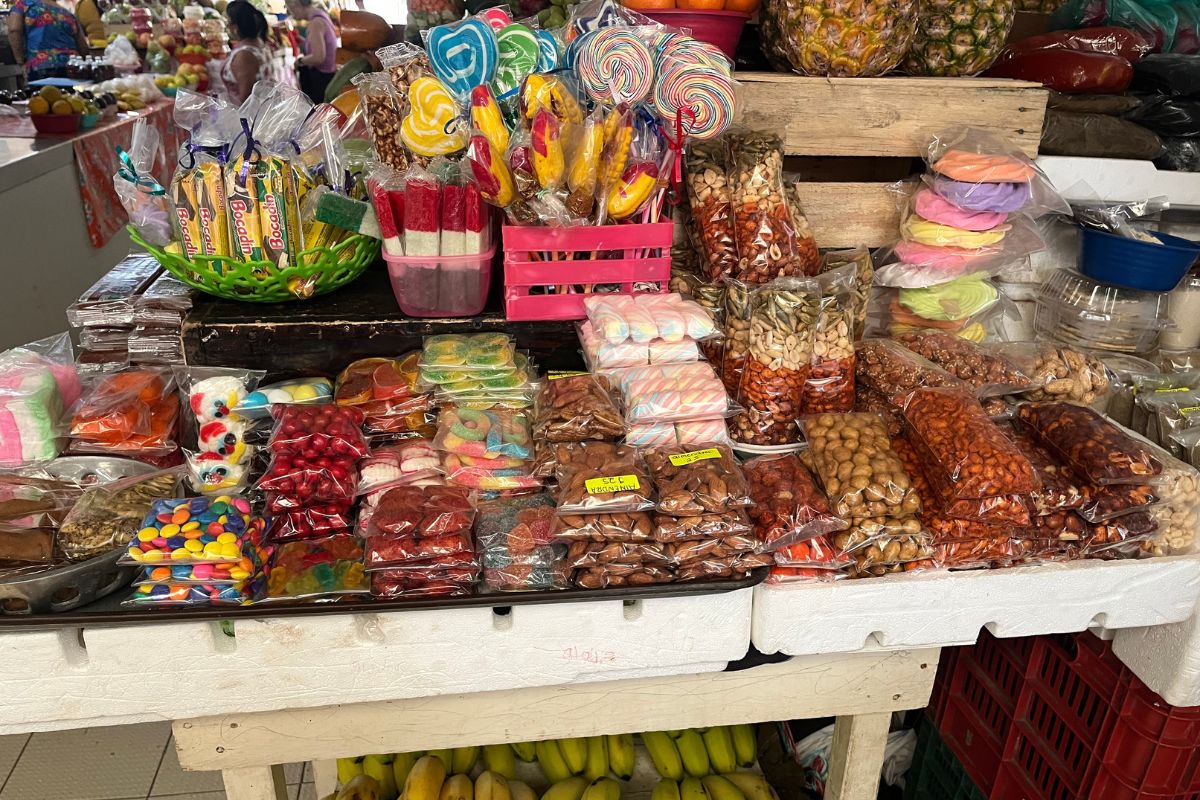
What Are Food Environments?
Simply put, food environments are the spaces where we make our food decisions—whether it’s choosing groceries, deciding what to eat at a restaurant, or ordering food online. They are the interfaces between us as individuals and the broader food systems. In urban areas of India and Mexico, these environments are changing fast. As more people in cities gain access to digital food platforms and processed foods, it has become easier than ever to purchase ready-to-eat meals. While this convenience offers great benefits, it also contributes to rising cases of obesity, undernutrition, and other diet-related diseases.
The Rise of Digital Food Culture and “Outside Foods”
The growing reliance on food delivery apps like Swiggy and Zomato in India, or similar platforms in Mexico, highlights a major shift in how people eat. Once reserved for special occasions or a quick meal out, “outside foods” – foods purchased outside the home, for example from restaurants, street food stalls, or fast food chains are becoming a daily norm for many middle-class families. These foods are often associated with modernity, convenience, and a higher social status, especially among younger generations who want to distance themselves from more traditional, home-cooked meals. This trend towards “outside foods” is not just about convenience. It’s also about aspiration. In many urban settings, consuming these types of foods can be seen as a sign of success and sophistication. For example, in India, the consumption of fast food or international cuisines can be linked to a desire to emulate Western lifestyles. Similarly, in Mexico, fast foods and sugary drinks have become ubiquitous, often taking the place of more traditional, home-grown options like corn and fruit-based snacks.
The “Wealthy-Healthy-Chubby” Phenomenon
Along with the rise of outside foods, there’s a trend among older generations around body image and what it means to be healthy or wealthy. Traditionally, in both India and Mexico, a larger body size was seen as a sign of wealth and good health. It symbolized access to abundance and prosperity. Yet, the wealthy-healthy-chubby nexus has led to some confusion and contradictions. On the one hand, older generations still value larger body sizes as markers of success, while younger generations are increasingly pressured to attain slimmer, more toned figures. The digital age plays a huge role in this, as body images promoted on social media are often linked to unhealthy eating patterns. Young people might feel torn between these differing ideals, trying to balance the pressures of family expectations with the modern ideals they encounter online.
The Impact on Health and Sustainability

The intersection of these contradicting generational food trends – “outside foods” and the “wealthy-healthy-chubby” nexus – has created what is known as aspirational eating. This term refers to the way people make food choices based on lifestyle aspirations rather than purely nutritional needs. While this approach may make people feel more connected to a modern, globalized world, it’s also contributing to rising rates of obesity, diabetes, and other non-communicable diseases, particularly among urban middle-class populations. Aspirational eating often prioritizes convenience and image over nutrition, which can result in a diet heavy on processed foods and low in essential nutrients. These trends also don’t take into account the environmental impact of food production, which can be significant. The rise of packaged, fast foods also fosters a culture of waste, as many of these products come with excessive packaging and contribute to pollution. Moving forward, it will be crucial to balance the convenience and aspiration of modern food practices with the need for healthier, more sustainable eating habits, especially in the food environments of fast-growing cities.